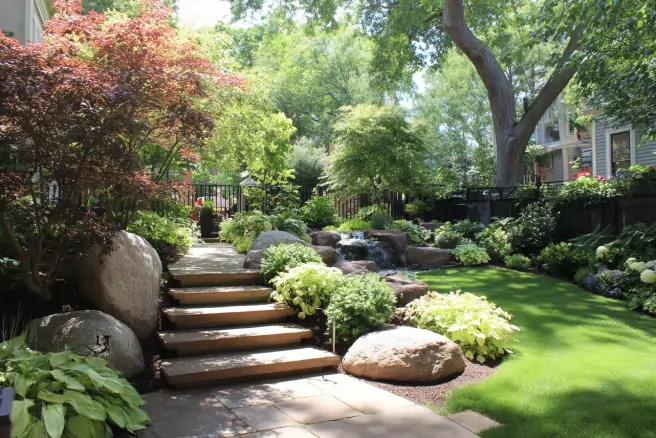
Key Concepts and Foundations for Stunning Outdoor Spaces with a Boston MA Landscaping Company

red and white flower garden

Landscaping is an art and science that transforms outdoor spaces into visually appealing, functional environments. Whether you’re enhancing a residential backyard or designing a commercial outdoor area, understanding the fundamental principles of landscaping is essential to achieving a cohesive and stunning outcome.

What is Landscaping?

At its core, landscaping involves modifying the visible features of an outdoor area. This includes the arrangement of natural elements such as plants, trees, and soil, as well as man-made structures like patios, pathways, and water features. The ultimate goal is to create a balanced environment that harmonizes beauty with functionality.

Key Concepts in Landscaping

  1. Balance refers to creating visual harmony across the space.
  2. This can be done through symmetrical (formal) balance or asymmetrical (informal) balance.
  3. For example: | Symmetrical Balance | Asymmetrical Balance | |———————|———————-| | Identical plants or structures placed on either side of a central focal point. | Grouping different elements while maintaining visual equilibrium.|
    • Large trees may overwhelm small flower beds if not carefully planned.
    • A small water feature might look out of place in an expansive yard.
  4. Unity ties different components together for a cohesive look through consistency in design style, materials, and plant selection.
  5. Repetition can help achieve unity by recurring patterns or textures.
  6. A focal point draws attention to specific areas of your landscape design.
    • A vibrant flower bed near the entrance.
    • A sculptural fountain in the center of a garden.
  7. Rhythm involves guiding the viewer’s eye smoothly across the landscape using patterns or sequences.
  8. Flow ensures transitions between spaces feel natural rather than abrupt.

Foundations for Stunning Outdoor Spaces

  • Understand Your Space: Assess your outdoor area thoroughly by identifying unique features such as elevation changes or existing vegetation.
  • Define Objectives: Determine what you want from your landscape—whether it’s relaxation, entertainment space, or sustainability focus.
  • Consider Climate: Tailor your design based on local climate conditions like temperature ranges and rainfall patterns.
  • Budget Planning: Outline clear financial goals for purchasing materials, hiring professionals (if needed), or maintaining long-term upkeep.

Benefits of Understanding These Basics

Properly incorporating these principles ensures more than just aesthetic appeal: – Increased property value through attractive outdoor spaces. – Enhanced functionality catering to specific needs like entertainment areas or privacy zones. – Reduced maintenance efforts with thoughtful planning upfront.

By grasping these key concepts early in the process, you pave the way for creating landscapes that are not only beautiful but also practical and enduring over time.

Expert Tips from Boston MA Landscapers on Choosing and Arranging Plants to Transform Your Landscape

When it comes to creating a stunning and functional outdoor space, selecting the right plants and placing them thoughtfully is vital. The right combination of plants can elevate any landscape design, adding texture, color, and depth while also serving practical purposes such as privacy or shade. Here’s an in-depth look at how to approach plant selection and placement for your landscaping project.

Factors to Consider When Selecting Plants

  • Understand the climate zone of your location (e.g., USDA hardiness zones).
  • Choose plants that thrive in local temperatures, rainfall patterns, and seasonal changes.
  • Test the soil pH (acidic, neutral, or alkaline) before planting.
  • Determine whether the soil is sandy, loamy, or clay-heavy to ensure proper drainage and nutrient availability.
  • Identify areas of full sun, partial shade, or full shade on your property.
  • Group plants with similar sunlight needs together for optimal growth.
  • Decide how much time you can dedicate to maintaining your landscape.
  • Choose low-maintenance perennials or succulents if you prefer a hands-off approach.

Principles for Effective Plant Placement

  1. Place taller trees or shrubs at the back (or center for circular gardens).
  2. Use medium-height plants as transition layers between tall trees and ground covers.
  3. Highlight unique plants like ornamental grasses or flowering shrubs in key spots such as entryways or patio edges.
  4. Utilize bold colors or striking textures for focal areas to draw attention.
  5. Use hedges as natural privacy screens around patios or pools.
  6. Place shade trees near seating areas for comfort during sunny days.
  7. Allow sufficient room between young plants based on their mature size.
  8. Avoid overcrowding which can lead to competition for nutrients and poor air circulation.

Popular Plant Categories for Landscapes

Category Examples Purpose
Shade Trees Maple, Oak, Birch Provide shade; reduce heat
Flowering Shrubs Hydrangea, Azalea Add color; serve as focal points
Ground Covers Creeping Thyme, Vinca Minor Prevent soil erosion; fill gaps
Evergreens Boxwood, Juniper Year-round greenery; privacy
Perennials Daylilies, Hostas Low-maintenance; seasonal blooms

Trends in Modern Landscaping Plant Choices

  • Native Plants: Require less water and are adapted to local climates.
  • Pollinator-Friendly Species: Attract bees, butterflies, and birds while supporting biodiversity.
  • Edible Landscaping: Incorporates herbs like rosemary or vegetables like kale into decorative spaces.

By following these principles of selection and placement while considering current trends like sustainable planting practices, you can create a cohesive yet visually dynamic outdoor environment tailored specifically to your vision and needs.

Transform Your Landscape with Expert Boston MA Lawn Care and Perfect Plant Placement

Plant selection and placement play a pivotal role in creating a thriving, visually appealing, and functional outdoor space. The right plants, combined with thoughtful positioning, can bring balance, harmony, and long-term sustainability to your landscaping project. Below are some essential considerations to guide your decisions.

Factors to Consider When Selecting Plants

Choosing plants for your landscape isn’t just about aesthetics; it involves understanding various factors that contribute to their growth and overall compatibility with the environment.

  • Climate Suitability: Select plants that thrive in your region’s climate zone. Consider temperature ranges, rainfall patterns, and seasonal changes.
  • Soil Type: Different plants require varying soil types. Test your soil’s pH level, drainage capability, and nutrient content before making selections.
  • Sunlight Needs: Analyze how much sunlight different zones of your outdoor space receive throughout the day. Group plants based on their light requirements (shade-tolerant vs sun-loving).
  • Maintenance Requirements: Opt for low-maintenance species if you have limited time for upkeep or choose high-maintenance varieties if you enjoy gardening work.
  • Purpose of Plants: Decide whether you want ornamental trees for visual appeal, fruit-bearing shrubs for functionality, or ground cover plants for erosion control.

Effective Plant Placement Strategies

The placement of plants within your landscape determines how cohesive and functional the design feels. A well-thought-out arrangement not only enhances aesthetics but also supports plant health.

  1. Arrange taller trees and shrubs toward the back or center of your garden beds.
  2. Place medium-height plants in front of them.
  3. Use ground covers or low-growing flowers as border elements.
  4. Position statement pieces like flowering trees or sculptural shrubs where they can draw attention naturally (e.g., along pathways or at garden entrances).
  5. Surround focal points with complementary foliage to enhance their beauty.
  6. Space out young plants adequately to accommodate future growth without overcrowding.
  7. Research mature plant heights and widths before planting multiple species together.
  8. Functional Zones: Divide the landscape into functional areas based on use:
  9. Shade trees near seating areas provide comfort during hot days.
  10. Herbs planted near kitchens ensure easy accessibility.
  11. Dense hedges can act as privacy screens between outdoor spaces.

Seasonal Considerations

Seasonal interest is vital in keeping a landscape attractive year-round. Choose a mix of evergreen species (for consistent greenery) alongside deciduous varieties that bring changing colors during spring or fall. Incorporate flowering perennials that bloom at different times throughout the year to ensure continuous vibrancy across seasons.

Plant Type Key Features Example Species
Ornamental Trees Visual impact & shade Japanese Maple
Shrubs Structure & privacy Boxwood
Ground Covers Erosion control & weed prevention Creeping Thyme
Perennials Long-lasting blooms Black-eyed Susan

Thoughtful plant selection combined with strategic placement creates outdoor spaces that are not only beautiful but also sustainable over time—fostering both environmental health and homeowner satisfaction. Planning ahead ensures every element blends seamlessly into a cohesive design while meeting practical needs effectively.

Residential Garden Irrigation System Building by Professional Landscaping and Gardening Technician.

Creating Flow and Cohesion in Landscaping Boston MA: The Role of Structures and Pathways

Structures and pathways are essential components of a well-designed landscape. They not only provide functionality by guiding movement and defining spaces but also contribute to the overall aesthetic appeal of the outdoor environment. Integrating these elements effectively can transform an ordinary yard into a cohesive, visually pleasing, and practical outdoor space.

Benefits of Incorporating Structures and Pathways

  • Visual Interest: Structures act as focal points, adding architectural interest to the landscape. Pathways create natural lines that guide the eye through the space.
  • Improved Accessibility: Well-laid pathways make it easier to navigate through gardens or lawns while reducing wear on grass or delicate ground covers.
  • Defined Spaces: Hardscaping elements help divide larger landscapes into functional zones such as seating areas, play zones, or garden beds.
  • Increased Usability: Features such as patios or decks extend living space outdoors for relaxation or entertaining guests.

Types of Landscaping Structures

Structure Purpose Material Options
Pergolas Provide partial shade; frame outdoor seating areas Wood, metal
Gazebos Offer fully sheltered spaces for relaxation Wood, vinyl
Arbors Create vertical interest; support climbing plants Metal, wood
Retaining Walls Stabilize slopes; define terraces Stone, concrete

Designing Effective Pathways

  1. Gravel: Affordable and rustic but requires maintenance.
  2. Pavers: Durable with an elegant look.
  3. Stone: Provides a natural appearance but may be costlier.
  4. Ensure pathways are wide enough to accommodate foot traffic comfortably—generally 3–4 feet for main paths and 2 feet for secondary ones.
  5. Curved paths create a more organic feel suitable for informal garden styles.
  6. Straight lines work well in modern layouts where symmetry is emphasized.
  7. Add borders using bricks or plants to prevent materials like gravel from spilling over and maintain clean lines.

Balancing Functionality with Aesthetics

To create cohesion between structures and pathways: – Use consistent materials across various hardscapes (e.g., match wooden pergolas with wooden pathway borders). – Blend structural elements seamlessly with plantings by softening edges using shrubs or flowers. – Place seating areas strategically at pathway junctions or near water features to encourage exploration of the space.

Structures and pathways are more than just functional additions—they form the backbone of a well-executed landscape design by enhancing both usability and aesthetic value. Thoughtful planning ensures these features work harmoniously within your outdoor environment while elevating its overall appeal.

Importance of Lighting and Water Features in Landscaping: Enhancing Ambiance and Visual Appeal Outdoors

Lighting and water features are indispensable elements in modern landscaping. They not only elevate the aesthetic appeal of outdoor spaces but also improve functionality, safety, and ambiance. Incorporating these features thoughtfully can transform ordinary landscapes into extraordinary environments that seamlessly blend beauty with purpose.

Benefits of Incorporating Lighting in Landscaping

  • Enhanced Aesthetics: Lighting highlights architectural details, plants, and focal points, adding depth and dimension to the space.
  • Extended Usability: Proper illumination makes outdoor areas functional after dusk, enabling activities like dining or entertaining.
  • Safety and Security: Pathway lights prevent tripping hazards while floodlights enhance security by deterring potential intruders.
  • Mood Creation: Soft ambient lighting creates a relaxing atmosphere, ideal for unwinding or hosting gatherings.
Common Types of Landscape Lighting
Type Purpose Example Use Case
Pathway Lights Illuminate walkways for safety Along garden paths or driveways
Spotlights Highlight specific landscape features Focusing on trees or sculptures
String Lights Add charm to outdoor spaces Draped over patios or pergolas
Floodlights Provide broad illumination Securing entry points or large areas

The Impact of Water Features on Landscaping

  • Visual Appeal: Water elements like fountains or ponds create an eye-catching centerpiece.
  • Auditory Relaxation: The gentle sound of flowing water masks background noise, enhancing serenity.
  • Environmental Benefits: Features such as birdbaths attract wildlife like birds and pollinators to your yard.
  • Temperature Regulation: Water cools surrounding areas naturally, an added bonus during warm months.
Popular Types of Water Features
  1. Fountains – Ideal for small spaces; adds a sophisticated touch to gardens or courtyards.
  2. Ponds – Creates a naturalistic feel; often accompanied by aquatic plants or fish.
  3. Waterfalls – Adds dramatic movement; works well with stonework for layered designs.
  4. Streams – Mimics nature; perfect for large properties looking to achieve harmony with their surroundings.

Combining Lighting and Water Features

  • Submerge LED lights under fountains or ponds to provide a glowing ambiance.
  • Install uplights around waterfalls for dramatic cascading effects.
  • Use color-changing bulbs within water features for dynamic visual interest during special occasions.

Final Thoughts

Thoughtfully incorporating lighting and water fixtures into your landscaping plan elevates outdoor spaces from functional areas into peaceful retreats brimming with character. By balancing practicality with artistry, you can craft an environment that delights both visually and emotionally while increasing property value over time.


Tips for Choosing the Best Boston MA Landscaping Company for Your Dream Outdoor Space

a large green lawn with bushes and trees

Choosing the right landscape designer is a critical step in creating your ideal outdoor space. A well-designed landscape can greatly enhance the aesthetic appeal, functionality, and value of your property. Here are some key considerations and steps to help you identify the perfect professional for your project.

Assess Your Needs and Goals

  • Purpose: Are you looking to create an entertainment area, improve curb appeal, or build a low-maintenance garden?
  • Style Preferences: Do you prefer modern designs, traditional landscaping, or something more natural?
  • Budget: Establishing a realistic budget helps ensure that expectations align with feasibility.
  • Timeline: Determine if there are any specific deadlines for completing the project.

By clarifying these aspects upfront, you’ll be better equipped to communicate your vision to potential designers.

Research Potential Designers

  • Online Reviews: Platforms like Houzz, Google Reviews, or Yelp can provide insights into client experiences.
  • Portfolio Review: Visit designers’ websites or social media pages to view completed projects. Look for diversity in styles and attention to detail.
  • Referrals: Ask friends or neighbors who have undertaken landscaping projects for recommendations.

Here’s an example checklist when reviewing portfolios: | Criteria | Questions to Ask | |—————————|—————————————————| | Design Style | Does their style align with your taste? | | Experience | Have they worked on projects similar in scope? | | Use of Materials | Do they showcase creative use of plants & spaces? |

Interview Multiple Candidates

  1. Are they certified by a professional organization?
  2. Do they have formal training in landscaping or design?
  3. What steps will they take from concept development to installation?
  4. How do they approach project challenges?
  5. Speak with previous clients about their experiences working with the designer.
  6. Inquire about design fees versus installation costs.
    Transparency about pricing helps avoid misunderstandings later.

Evaluate Compatibility

It’s essential that you feel comfortable working with the designer since collaboration is key throughout the process. Look for someone who actively listens, communicates effectively, and offers thoughtful solutions tailored to your needs.

Verify Licensing and Insurance

Ensure that any designer you hire possesses proper certifications and liability insurance coverage (if applicable). This protects both parties during the course of the project.

Finalizing Your Decision

  • Compare their timelines and budgets.
  • Consider how well they understood and interpreted your vision.
  • Factor in their professionalism and communication skills during initial interactions.

Making an informed choice not only reduces stress but also ensures that your dream outdoor space is brought to life seamlessly by a qualified professional who aligns with both your aesthetic preferences and practical needs.

Essential Tips to Consider When Choosing Boston MA Landscapers

Selecting the right landscape designer is crucial to achieving your dream outdoor space. A professional landscape designer not only brings your vision to life but also ensures that the space is functional, sustainable, and tailored to your needs. Below are essential tips to help you find the perfect fit for your landscaping project.

Assess Their Qualifications and Experience

  • Certifications and Licensing: Verify if they hold certifications from professional organizations such as the Association of Professional Landscape Designers (APLD) or similar bodies.
  • Portfolio of Past Projects: Examine their previous work to determine whether their design style aligns with your vision.
  • Specialization: Some designers focus on specific types of projects (e.g., residential landscapes, commercial spaces, or sustainable designs). Choose one whose expertise matches your project type.

Understand Your Needs and Budget

  1. The purpose of the space (entertaining guests, creating a serene retreat, etc.).
  2. Key features you’d like to include (e.g., patios, water features, walkways).
  3. Your budget range for both design and implementation.

Having clarity on these aspects will enable you to communicate effectively with potential designers while ensuring they can work within financial constraints.

Research Reviews and References

  • Work quality.
  • Communication skills.
  • Punctuality in meeting deadlines.
  • Problem-solving capabilities during unexpected challenges.

Don’t hesitate to ask for contact details of prior clients who are willing to share their experiences.

Evaluate Communication Skills

  • Are they listening actively to your ideas?
  • Do they provide constructive suggestions based on their expertise?
  • Is there prompt follow-up after initial meetings?

Good communication ensures that both parties are aligned throughout the design process.

Compare Services Offered

Service Type What It Includes
Conceptual Design Only Initial sketches or blueprints
Full-Service Design & Build Design plus project execution
Maintenance Planning Long-term upkeep recommendations

Select a designer whose service package aligns with your project’s requirements.

Request an Estimate

Ask shortlisted designers for detailed price estimates that include labor costs, material expenses, potential permits, etc. This transparency helps prevent unexpected costs down the line.

Schedule an On-Site Consultation

An on-site consultation allows the designer to assess your property’s unique characteristics such as soil conditions, drainage challenges, sunlight exposure, and more. This step ensures realistic planning and accurate cost estimation based on actual site conditions.

By carefully evaluating these factors when selecting a professional landscape designer, you set yourself up for success in creating an outdoor space that blends beauty with functionality while staying within budget parameters.

Step-by-Step Guide to Transforming Your Vision with the Best Boston MA Lawn Care Services

Transforming your outdoor space into a beautiful, functional area requires careful planning and the right expertise. By partnering with a professional landscaping service, you can bring your vision to life efficiently and effectively. Here’s a step-by-step guide to help you navigate this process.

Step 1: Define Your Goals and Vision for Landscaping Boston MA

  • Purpose: Will your landscape primarily serve as an entertaining area, a serene retreat, or a play space for children?
  • Aesthetic Style: Think about whether you prefer modern, minimalist lines or lush, natural designs.
  • Budget: Establishing a realistic budget will help narrow down design choices and potential contractors.

Taking these factors into account ensures that both you and your designer are aligned from the start.

Step 2: Research Landscaping Companies

  • Portfolio Review: Browse examples of their previous projects to ensure their work matches your vision.
  • Customer Reviews: Check testimonials online or ask for references from recent clients.
  • Certifications: Verify whether they hold certifications like those from the National Association of Landscape Professionals (NALP) or other industry organizations.

Utilize this information to select three to five qualified professionals for initial consultations.

Step 3: Schedule Consultations

  • Share a rough sketch of your ideas or photos that inspire you.
  • Ask about their design process and timeline.
  • Discuss materials commonly used in projects similar to yours.

Take notes during these meetings so that you can compare services effectively later on.

Feature/Service Company A Company B Company C
Portfolio Matches Vision? ✔️ ✔️
Certified Professionals? ✔️ ✔️ ✔️
Budget-Friendly Options? ✔️

Step 4: Collaborate on Design Plans

Once you’ve selected a designer, collaborate closely during the conceptual stage. This includes brainstorming layouts, selecting plants that thrive in your climate, and choosing hardscaping elements like pathways or patios.

Key considerations when finalizing plans: – Environmentally sustainable elements like native plants or rain gardens. – Maintenance needs—opt for low-maintenance solutions if time is limited. – Seasonal appeal so that the landscape looks great year-round.

Ensure all details are documented clearly in blueprints or design drafts before moving forward.

Step 5: Oversee Implementation

  1. Conduct regular site visits (if possible) to track progress visually.
  2. Address any issues promptly—unexpected challenges such as soil quality may arise.
  3. Request updates on material deliveries or schedule changes.

This proactive approach ensures fewer delays while maintaining alignment with initial expectations.

Investing time upfront during this step-by-step process helps guarantee a finished landscape that reflects both function and beauty while staying within budget limits.

Plants Topiary Trimming by Cordless Trimmer. Closeup Photo. Professional Gardening Theme.

Key Factors to Keep in Mind When Hiring a Landscape Design Expert

Hiring the right landscape design expert is a critical step in creating a beautiful and functional outdoor space that complements your lifestyle. With numerous professionals offering their services, making an informed decision ensures your vision is brought to life while keeping the project on time and within budget. Below are some key factors to consider when selecting the best expert for your landscaping needs.

Experience and Expertise

  • Portfolio Review: Request to see their portfolio of completed projects. A seasoned designer will have a diverse collection showcasing their range of styles and capabilities.
  • Specializations: Some designers specialize in specific types of landscaping, such as water features, sustainable designs, or native plantings. Choose one whose expertise aligns with your vision.
  • Certifications and Training: Verify if they hold relevant certifications such as being a Certified Landscape Designer (CLD) or memberships in professional organizations like ASLA (American Society of Landscape Architects).

Communication Skills

A successful collaboration relies heavily on clear communication between you and the designer. Consider:
Listening Skills: Does the designer listen carefully to your preferences, needs, and concerns?
Collaborative Approach: Are they open to incorporating your ideas while offering professional insights?
Regular Updates: Ask how often they will provide progress updates during the design phase.

Budget Transparency

Understanding fees upfront avoids surprises later on. Ensure:
1. The designer offers clear breakdowns for design costs versus implementation expenses. 2. They provide estimates for materials, labor, and other associated costs. 3. Flexible payment options are available based on project phases.

Expense Type Estimated Range (Varies by Location & Scope)
Initial Consultation $50 – $200
Design Plans $500 – $5,000+
Installation Varies significantly; typically $3k – 50k+

References and Reviews

Request references from previous clients or check online reviews on platforms like Google or Yelp to understand their reputation within the community. Positive testimonials about professionalism, timeliness, and creativity can provide confidence in your choice.

Sustainability Practices

With growing importance placed on eco-friendly practices, many homeowners seek designers who prioritize sustainability through:
– Using native plants that require less water and maintenance. – Incorporating rainwater harvesting systems. – Designing landscapes with energy efficiency in mind (e.g., strategically placed trees for shade).

Timeline Management

Before committing to any professional service:
1. Discuss realistic timelines for both the design process and implementation. 2. Identify any potential delays caused by sourcing materials or weather conditions. 3. Agree upon milestones where deliverables (such as draft designs) will be provided.

Crafting your dream outdoor landscape begins with partnering with an expert who understands both artistry and practicality while respecting your goals. By keeping these considerations in mind when hiring a landscape design professional, you can ensure a seamless journey toward achieving an outdoor space that reflects your unique style and needs effectively.

Finding Inspiration and Ideas for Designing Your Perfect Outdoor Landscape

Designing your perfect outdoor landscape begins with finding the right inspiration. Whether you’re starting from a blank slate or enhancing an existing space, gathering ideas is essential to creating a functional and visually appealing design that suits your style and needs. Below are some practical ways to discover design inspiration and spark creativity for your landscaping project.

Explore Online Resources

  • Pinterest: Create boards to save ideas, from garden layouts to patio designs, making it easy to visualize your dream space.
  • Houzz: Browse images of completed projects by professional landscapers for high-quality, real-world inspiration.
  • YouTube: Follow channels focused on landscape design tips, DIY projects, and expert walkthroughs of various outdoor spaces.
  • Social Media: Instagram hashtags like #LandscapingIdeas or #OutdoorLiving can expose you to diverse styles and trends.

Visit Local Landscapes

  • Public Gardens: Botanical gardens often showcase plants that thrive in your climate zone while providing ideas for layout and structure.
  • Parks: City or regional parks illustrate how green spaces integrate pathways, seating areas, water features, and more.
  • Neighborhoods: Take a walk around residential areas to see how others have landscaped their yards with plants, hardscaping features, or themes.

Draw Inspiration From Nature

  • Observe natural patterns like winding trails or uneven textures in forests.
  • Take note of local flora and fauna that attract beneficial wildlife such as bees or butterflies.
  • Incorporate organic features like rocks, native plants, or water bodies into your design.

Utilize Landscaping Magazines & Books

Printed materials remain a valuable source of inspiration for homeowners embarking on landscaping projects. Many publications focus on specific aspects like sustainable gardening, contemporary designs, or seasonal planting guides.

Some recommended titles include: | Book/Magazine Name | Focus Area | |——————————–|——————————————————| | “The Well-Tended Perennial Garden” | Maintenance-friendly perennial garden designs | | “Landscaping Ideas That Work” | Practical solutions for common backyard challenges | | “Better Homes & Gardens” | Seasonal inspirations tied to home improvement |

Collaborate with Experts

  1. Schedule consultations where they assess your space.
  2. Review portfolios showcasing their previous works.
  3. Discuss incorporating unique elements like vertical gardens or eco-friendly drainage systems.

By combining personal preferences with curated inspirations from various sources above — tailored specifically towards environmental conditions— you’ll soon turn visions into reality without compromising functionality nor aesthetic value across aspects integral toward achieving perfect outdoor equilibrium

brown wooden framed blue padded armchair

Understanding the Landscape Design Process: From Concept to Completion

Embarking on a landscaping project can transform your outdoor area into a stunning and functional space. Understanding the landscape design process, from concept to completion, ensures that your vision comes to life efficiently and effectively. Below is a detailed overview of each step involved in creating a remarkable outdoor environment.

Initial Consultation and Site Analysis

The first phase of the process is all about understanding your needs and assessing the property. A professional landscape designer will:
– Conduct an on-site visit to evaluate soil conditions, drainage, sunlight exposure, and existing structures.
– Discuss your ideas, preferences, lifestyle requirements, and budget constraints.
– Take measurements of your outdoor space to create an accurate site plan.

This step ensures that the designer has all the necessary information to craft a plan tailored specifically for you.

Concept Development and Design Proposal

Once the initial consultation is complete, the designer moves on to creating conceptual plans based on your goals. This phase includes:
1. Concept Sketches: Simple drawings that outline basic layouts such as pathways, garden beds, seating areas, or water features. 2. Preliminary Designs: Scaled designs with more detail, showcasing plant placements, hardscape materials (such as patios or retaining walls), and other key elements. 3. Material Options: A review of suggested plants, finishes for hardscape features (e.g., pavers or decking), and additional design accents like lighting.

During this stage, you’ll have opportunities to provide feedback or make adjustments before finalizing the design.

Final Design Plan

The refined design plan includes detailed blueprints that guide both construction teams and installers during implementation. It typically consists of:
– A comprehensive site layout showing precise dimensions. – Planting plans with species selection based on climate suitability and maintenance needs. – Hardscape details outlining materials used for paving, walls, fences, etc. – Irrigation system designs ensuring efficient water management.

The final plan acts as a roadmap for bringing your dream landscape into reality.

Preparing for Installation

Before construction begins:
1. Necessary permits may need approval from local authorities for large-scale projects. 2. The designer collaborates with contractors or builders to establish timelines. 3. Materials will be sourced according to specifications outlined in the design.

This preparatory stage ensures everything is in place for smooth installation without delays.

Implementation and Construction

The actual transformation begins here as skilled professionals bring each element together: – Grading or leveling uneven terrain if required. – Installing hardscapes such as walkways or patios first since they form structural bases for other features. – Planting trees/shrubs/flowerbeds strategically per planned layouts while considering long-term growth patterns.

Pro Tip: Regular communication between you and project managers during this stage helps address unexpected issues promptly while maintaining quality control throughout execution.

Final Walkthrough & Maintenance Plan

Once construction finishes: 1. Conduct a thorough walkthrough with your designer/contractor team ensuring every detail aligns perfectly with expectations outlined earlier stages.. 2 Landscaping experts provide maintenance tips like pruning schedules, fertilization advice, irrigation troubleshooting tips tables and summarizing caretaker responsibilities.


How Boston MA Lawn Care and Landscape Lighting Can Transform Your Outdoor Space

A man in a green shirt and some bricks

Landscape lighting is an essential component of outdoor design that not only enhances the aesthetic appeal of your yard but also provides practical benefits. By incorporating strategically placed lighting fixtures, homeowners can create a space that feels inviting, functional, and safe. Here’s how landscape lighting can transform your outdoor space and why it’s worth considering for your property.

Enhancing Aesthetic Appeal

Properly installed landscape lighting highlights the natural beauty of your yard and accentuates the design elements you’ve invested in.

  • Highlighting architectural features: Illuminate walls, columns, or unique textures to add depth to your property.
  • Accentuating landscaping elements: Bring attention to trees, flower beds, pathways, or water features like fountains.
  • Creating visual interest through shadows: Use uplighting or downlighting techniques to produce stunning light-and-shadow effects.

Improving Functionality

Landscape lighting extends the usability of outdoor spaces into the evening hours.

  • Illuminated walkways and paths: Enable safe movement throughout your yard at night.
  • Task lighting in designated areas: Ensure bright but focused light for outdoor kitchens, patios, or seating areas.
  • Ambient lighting for relaxation: Provide soft illumination to create an inviting atmosphere.

Boosting Safety and Security

A well-lit yard deters unauthorized access while decreasing risks associated with poor visibility.

  • Reduced trip hazards: Lighting along pathways or uneven surfaces minimizes accidents after dark.
  • Increased security: Motion-sensor lights and strategically placed fixtures help deter intruders by eliminating dark corners.
Type of Lighting Purpose Example Locations
Pathway Lighting Illuminates walkways Driveways, garden paths
Uplighting Highlights vertical elements Trees, tall shrubs
Downlighting Creates soft ambient effects Patios, decks
Accent Lighting Draws attention to key focal points Statues, water features

Creating Ambiance

A carefully lit outdoor area sets the tone for different activities.

  • Use warm-toned bulbs for a cozy feel during late-night gatherings.
  • Opt for dimmable fixtures that allow flexibility in brightness levels.
  • Combine various types of lights (string lights, spotlights) for a layered effect.

Landscape lighting has evolved significantly in recent years with advancements like LED technology and smart systems that are energy-efficient and customizable. Thoughtful use of these innovations ensures that homeowners enjoy both style and practicality without excessive energy consumption.

By integrating landscape lighting into your yard design plan, you’ll enjoy an enhanced sense of comfort while elevating your home’s overall curb appeal.

Enhance Your Outdoor Environment with a Trusted Boston MA Landscaping Company

Landscape lighting does more than simply illuminate your yard; it transforms your outdoor space into a functional, aesthetically pleasing, and safe environment. By strategically incorporating lighting features, you can create a seamless blend of beauty and utility that enhances your property’s overall appeal. Below, we’ll explore ways landscape lighting can elevate your outdoor environment.

Enhance Your Outdoors with Landscaping Boston MA Lighting

  • Aesthetic Appeal:
    Thoughtfully placed lighting adds depth and dimension to your landscaping. Uplighting can highlight tall trees or textured walls, while downlighting mimics natural moonlight for a soft, ambient effect. This layering creates a visually dynamic outdoor space that’s inviting during the evening hours.
  • Functionality:
    Outdoor spaces are no longer limited to daylight use. With the addition of landscape lighting, patios, walkways, decks, and gardens become accessible for social gatherings or quiet relaxation at night.
  • Safety:
    Pathway lights help illuminate walkways and stairs to prevent trips or falls. Well-lit areas also deter unwanted wildlife from wandering too close to populated areas.
  • Security:
    A well-lit home discourages intruders by reducing dark corners where they might hide. Motion-sensor lights or strategically placed floodlights around entry points enhance security without being intrusive.
  • Increased Property Value:
    Investing in professional landscape lighting can significantly boost curb appeal and perceived value when it comes time to sell your property.

Types of Landscape Lighting Features

Feature Type Description
Path Lighting Lights placed along walkways for visibility and design enhancement
Spotlights Highlight specific features such as trees, statues, or architectural details
Floodlights Provide broad illumination for driveways or large open areas
String Lights Decorative accent lights for patios or pergolas
Underwater Lighting Adds drama and elegance to ponds, fountains, or swimming pools

Tips for Effective Placement

  1. Focus on Key Areas: Identify focal points such as water features, sculptures, or large plants that deserve attention after sunset.
  2. Layer Your Lighting: Combine ambient (general) lighting with task (functional) lighting and accent (highlighting) lighting to create depth.
  3. Avoid Over-Lighting: Subtlety is key when designing outdoor illumination. Too much light can make the space feel artificial.
  4. Choose Durable Fixtures: Select weather-resistant fixtures designed to withstand harsh conditions.
  5. Opt for LED Technology: LED lights are energy-efficient and have a longer lifespan compared to traditional bulbs.

Enhancing Mood Through Thoughtful Design

Landscape lighting has the power to evoke specific moods. For example: – Warm yellow tones create a cozy atmosphere ideal for relaxing evenings on the patio. – Cool white tones lend modernity and sophistication perfect for entertaining guests in formal spaces. – Color-changing options add playfulness suitable for celebrations or seasonal décor.

By carefully planning the type, placement, and style of lights used throughout your yard, you can craft an outdoor space that feels both welcoming and practical after dark. Professional guidance ensures optimal results tailored to your unique property layout while maximizing cost efficiency over time through energy-saving solutions like LEDs or solar-powered systems.

How Enhanced Curb Appeal Boosts Property Value Through Professional Landscaping

When it comes to increasing the value of your property, professional landscaping is one of the most impactful investments you can make. A well-designed and maintained outdoor space not only enhances curb appeal but also creates a lasting impression on potential buyers or visitors. Below, we explore how professional landscaping can significantly boost property value and elevate your home’s aesthetic.

The Role of Curb Appeal in Real Estate

Curb appeal plays a pivotal role in setting the tone for your property. It is the first thing people notice when they approach your home, contributing to their overall perception. A polished and attractive exterior suggests that the rest of the property is equally well-maintained.

  • First impressions matter: According to real estate studies, buyers often decide whether they are interested in a property within seconds of seeing it.
  • Increases perceived value: Homes with professional landscaping are typically valued 5% to 12% higher than those without.
  • Faster sales: Properties with well-kept landscapes tend to sell faster than those with neglected exteriors.

Enhancing Curb Appeal with Professional Landscaping

Professional landscapers bring expertise and creativity to transform outdoor spaces into visually stunning environments.

  1. Healthy, green grass provides a clean and fresh appearance.
  2. Regular mowing, seeding, and fertilizing ensure consistent quality.
  3. Selection of native plants suited to your climate for minimal upkeep.
  4. Strategic placement of trees for shade, privacy, or accentuation.
  5. Well-designed pathways using materials like stone or pavers lead visitors into the space.
  6. Retaining walls can prevent erosion while adding structure to sloped yards.
  7. Incorporating seasonal flowers ensures year-round vibrancy.
  8. Color coordination adds harmony and sophistication.
  9. Outdoor lighting increases safety while highlighting architectural features or garden areas during evening hours.
Feature Impact
Manicured Lawn Creates an inviting atmosphere
Native Plants Low maintenance and environmentally friendly
Hardscape (Patios/Paths) Defines usable spaces; adds functionality
Outdoor Lighting Enhances aesthetics; improves safety

Increased ROI from Landscaping

Investing in professional landscaping doesn’t just improve appearance—it provides tangible value through return on investment (ROI).

  • Landscaping yields an ROI between 100%–200%, depending on the scope of work.
  • Adding trees or shrubs can reduce heating/cooling costs by providing natural insulation throughout seasons.
  • Proper irrigation systems protect plant life while conserving water resources—another selling point for eco-conscious buyers.

Long-Term Benefits

Beyond boosting immediate property value, maintaining quality landscaping ensures durability over time, reducing future repair expenses. Moreover, it fosters pride in homeownership by creating an outdoor space that blends functionality with beauty.

Hiring professionals ensures precision in design execution while saving homeowners time and effort—ultimately resulting in higher marketability if you decide to sell down the road.

a large brick house with a lawn and hedges in front of it with Moseley Old Hall in the background

Improving Safety and Security with Strategic Landscape Lighting Solutions

Landscape lighting serves an essential role in creating a safe and secure outdoor environment for residential and commercial properties. Strategic placement of outdoor lights can deter intruders, reduce potential hazards, and provide peace of mind to property owners. Here’s how thoughtful lighting design improves safety and security.

Enhancing Visibility for Safer Navigation

Poorly lit pathways, driveways, and entrance areas can pose risks of trips, slips, or falls during nighttime. Properly installed landscape lighting ensures better visibility for residents and guests.

Key areas to illuminate include:
Pathways: Use low-voltage LED pathway lights or bollards to guide foot traffic safely.
Steps: Install recessed step lights or stair riser lights to enhance visibility on stairs.
Driveways: Add uplighting or driveway markers to define boundaries clearly.

These measures allow individuals to navigate outdoor spaces securely, minimizing the risk of accidents.

Increasing Deterrence Against Intruders

A well-lit property is less attractive to potential intruders as light eliminates shadows and hiding spots. Motion-sensor lights are particularly effective in discouraging unauthorized access by activating only when movement is detected.

Recommended strategies include:
Floodlights: Illuminate large areas like backyards or parking lots with bright floodlights.
Spotlights on Entry Points: Focus lights on doors, windows, and garages where break-ins are more likely.
Motion-Sensor Technology: Reduce energy consumption while maintaining security coverage by using motion-activated fixtures.

A strong combination of these lighting techniques enhances protection while maintaining energy efficiency.

Highlighting Hazardous Areas

Certain features in your landscape can be potential hazards without proper illumination. Outdoor lighting not only beautifies these elements but also makes them safer during evening hours.

Examples of areas requiring attention include:
| Feature | Suggested Lighting Solution |
|————————|——————————————-|
| Swimming pools | Underwater LED pool lights |
| Retaining walls | Wall-mounted sconces |
| Water features | Submersible accent lights |
| Decks/patios | Rail-mounted or recessed floor fixtures |

By highlighting these areas effectively, you reduce the likelihood of accidents while showcasing your landscaping investments.

Choosing Energy-Efficient Lighting Options for Security

While enhancing safety is paramount, it’s important to balance functionality with sustainability. Modern outdoor lighting solutions offer energy-efficient options that reduce environmental impact without compromising performance.

Top choices include:
1.LED Lights: These consume significantly less electricity than traditional incandescent bulbs while offering long lifespans.
2.Solar-Powered Fixtures: Ideal for walkways or garden borders, solar lights utilize renewable energy from the sun during the day to operate at night.
3.Smart Lighting Systems: Enable remote control over timing and brightness settings through mobile apps—helpful for managing energy usage efficiently.

Benefits of Strategic Landscape Lighting Placement

The advantages of integrating well-thought-out lighting designs extend beyond functionality into aesthetics and practicality: – Creates a welcoming atmosphere by adding warmth. – Adds value to your property by enhancing its curb appeal. – Provides year-round usability of outdoor spaces even after dark. – Supports eco-conscious living when paired with sustainable technologies like LEDs or solar options.

Investing in strategic landscape lighting not only ensures safety but also enhances the overall quality of your outdoor environment while providing long-term value for homeowners or business operators alike.

Transform Your Yard with Expert Boston MA Landscapers

By incorporating thoughtful landscaping design, you can extend the functionality, beauty, and enjoyment of your yard, transforming it into a true extension of your home. Below are effective ways to enhance outdoor living areas with strategic landscaping elements.

Defining Zones for Functionality

To ensure your outdoor space meets the needs of your lifestyle, designing distinct zones can be beneficial.

  • Dining Areas: Incorporate a pergola or canopy to create shade and shelter over a dining table. Surround the area with fragrant plants like lavender or jasmine to enhance the dining experience.
  • Relaxation Spaces: Add cozy seating areas with weather-resistant materials and accent them with soft cushions. Plant trees or tall shrubs nearby to create privacy.
  • Recreational Zones: Consider open grassy areas for activities like lawn games or spaces for fire pits that encourage evening gatherings.

Incorporating Hardscaping Features

Hardscaping elements add both functionality and design flair.

Hardscape Feature Benefits
Patios & Decks Expands usable space; ideal for seating
Pathways & Walkways Connects zones; guides foot traffic
Retaining Walls Adds dimension; prevents soil erosion
Outdoor Kitchens Enhances entertaining capabilities

Materials such as natural stone, pavers, or composite wood can be selected to complement the overall aesthetic of the home while ensuring durability in varying weather conditions.

Using Plants to Enhance Ambiance

Plants play a crucial role in creating an inviting atmosphere in outdoor spaces.

  • Use hedges or tall grasses as natural screens for privacy.
  • Opt for flowering plants that bloom throughout different seasons to maintain year-round interest.
  • Include native plants that thrive in local climates for easy maintenance.
  • Incorporate vertical gardens or climbing vines on trellises in small spaces.

Adding Lighting for Extended Enjoyment

  • String lights above patios for casual charm.
  • Add path lights along walkways for safety and guidance.
  • Use uplighting on trees or architectural features to create dramatic highlights.

Low-voltage LED lighting is an environmentally friendly option that balances energy efficiency with longevity.

Designing All-Year Usability

  • Install heaters near seating areas or above patios.
  • Add fire pits surrounded by comfortable chairs as gathering spots during cooler evenings.
  • Select evergreen shrubs and trees which maintain visual interest even in winter.

By integrating these ideas into your outdoor living space design, you can create an environment that is both practical and aesthetically appealing throughout the year. Thoughtful planning ensures seamless transitions between indoor and outdoor areas while increasing the overall value of your property.

New lawn gardening rolls of fresh grass turf ready to be used

Showcasing Focal Points and Unique Features with Expert Landscape Installation

Below are some essential strategies and ideas to make the most of this approach.

Identifying Key Focal Points

Every property has unique elements that can serve as natural focal points or be developed into standout features.

  • Natural Features: Mature trees, a pond, or a rocky outcrop.
  • Man-Made Elements: Gazebos, arbors, statues, fountains, or fire pits.
  • Architectural Highlights: Entryways, porches, or distinctive rooflines.

An expert landscape designer evaluates these elements to determine how to enhance their prominence and integrate them into the broader design.

Techniques for Showcasing Focal Points

Making focal points stand out requires thoughtful planning and careful execution.

  1. Strategic Lighting
    Lighting can dramatically highlight key areas after dark.
  2. Uplighting: Illuminating trees or statues from below to create depth.
  3. Path Lighting: Drawing attention to walkways while ensuring safety.
  4. Spotlighting: Focusing light on specific architectural or landscaping features.
  5. Framing with Greenery
    Using plants to frame focal points naturally draws the eye toward them.
  6. Placing shrubs symmetrically around a fountain.
  7. Planting tall ornamental grasses on either side of an arbor.
  8. Contrasting Colors and Textures Contrast helps create visual interest:
  9. Pairing bright flowers with dark foliage.
  10. Mixing rough stone pathways with soft grass borders around water features.
  11. Elevated LevelsElevated gardens, retaining walls, or tiered flower beds help bring attention upward toward significant elements on higher ground.

Commonly Highlighted Features

Feature Enhancement Techniques
Waterfalls Add LED lighting for nighttime ambiance
Sculptures Use spotlighting for dramatic effect
Outdoor Fireplaces Install seating areas for cozy gatherings
Flower Gardens Incorporate colorful seasonal blooms

Benefits of Professional Installation

Hiring an experienced landscaping team ensures your outdoor space is designed cohesively while highlighting its best attributes. Key advantages include: – Access to creative design solutions tailored to your property. – Proper plant selection based on soil conditions and climate. – Long-term durability through quality materials and installation practices.

With professional expertise, your yard transforms into a functional yet visually stunning environment centered around its most unique aspects.

Energy-Efficient and Eco-Friendly Landscaping Ideas for a Sustainable Outdoor Space

Creating a sustainable outdoor space not only benefits the environment but also adds long-term value to your property while reducing maintenance costs. By incorporating energy-efficient and eco-friendly landscaping ideas, you can design a functional, beautiful, and environmentally responsible yard. Below are some innovative ways to achieve a sustainable landscape.

Native Plant Selection

Using native plants is one of the most eco-conscious choices you can make when landscaping. These plants are adapted to the local climate, soil, and weather conditions, making them more resilient and requiring fewer resources.

Advantages of native plants:
Lower water consumption: They thrive in natural rainfall patterns, reducing the need for irrigation.
Minimal chemical use: Native species often resist pests and diseases better than imported plants, reducing dependency on herbicides or pesticides.
Support for local wildlife: These plants attract pollinators like bees, butterflies, and birds.

Plant Type Example Species Growing Zone
Grass Buffalo Grass 5-9
Shrubs American Beautyberry 6-10
Flowers Black-Eyed Susan 3-9

Energy-Efficient Lighting

Landscape lighting doesn’t just enhance aesthetics; it can also be energy-efficient when done thoughtfully. Switching to solar-powered or LED lights reduces energy usage significantly while providing long-lasting illumination.

Key considerations for lighting:
– Install motion sensors or timers to ensure lights operate only when needed. – Use solar-powered path lights for walkways to reduce electricity demand. – Choose LED bulbs for fixtures as they consume up to 75% less energy than traditional incandescent bulbs.

Rainwater Harvesting Systems

Incorporating rainwater harvesting is an excellent way to conserve water while maintaining a lush landscape. Collecting rainwater in barrels or underground tanks allows you to irrigate your lawn and garden without relying on municipal water supplies.

Steps for setting up a rainwater harvesting system:
1. Install gutters and downspouts that channel rain into collection barrels. 2. Use filters to keep debris out of the harvested water. 3. Connect irrigation systems directly to your storage tank or use watering cans as needed.

Mulching with Organic Materials

Mulching is an effective technique that boosts soil health while conserving moisture in your garden beds. By using organic materials such as bark chips, straw, or shredded leaves, you can create an eco-friendly mulch layer that decomposes over time.

Benefits include:
– Retaining soil moisture by reducing evaporation rates. – Suppressing weed growth naturally without chemicals. – Enriching the soil with nutrients as the mulch breaks down.

Permeable Paving Solutions

Traditional concrete driveways and paths contribute to stormwater runoff issues by preventing water absorption into the ground. Opting for permeable paving materials allows rainwater to seep through easily into the soil below.

Options include:
– Gravel – Permeable pavers – Porous asphalt

Permeable surfaces help reduce erosion while replenishing groundwater reserves — creating a more sustainable solution for hardscaping needs.

Conclusion

By implementing these energy-efficient and eco-friendly landscaping ideas into your outdoor space design, you’ll not only create an aesthetically pleasing environment but also contribute positively toward environmental sustainability. Small changes such as choosing native plants or installing permeable pavers can result in significant ecological benefits over time — making your yard both beautiful and responsible.


Understanding the Expertise of Boston MA Landscapers and the Landscaping Industry

a person with gardening gloves and a shovel digging in some flowers

The lawn care and landscaping services industry is a dynamic sector that plays a critical role in enhancing both the aesthetic appeal and functional usability of outdoor spaces. This industry caters to residential, commercial, and public properties, offering a wide range of services beyond simple lawn maintenance. Let’s take an in-depth look at the various facets of this sector.

Overview of the Industry

The lawn care and landscaping industry encompasses businesses that specialize in:
– Lawn care (mowing, fertilization, aeration)
– Landscape design and installation
– Hardscaping (patios, walkways, retaining walls)
– Tree and shrub management (planting, pruning, removal)
– Seasonal services like snow removal or leaf cleanup

These services contribute not only to curb appeal but also to environmental benefits such as improved air quality through plants and better water drainage with proper landscape planning.

Key Players in the Market

There are several types of businesses operating within this space:
1. Small Local Providers – These are typically family-owned or small-scale companies focusing on specific neighborhoods or communities. They often build strong customer relationships through personalized services.
2. Mid-Sized Regional Companies – More established firms that service multiple cities or regions with a broader range of offerings. They may handle both residential and commercial clients.
3. National Chains – Larger organizations with a nationwide presence offering standardized packages for both residential and corporate needs.

Benefits of Professional Landscaping Services

Investing in professional landscaping offers numerous advantages for property owners:
Increased Property Value: A well-maintained yard can boost curb appeal by up to 20%, according to real estate experts. – Environmental Impact: Landscaped areas help reduce soil erosion, improve air quality, absorb noise pollution, and regulate temperature. – Time Savings: Outsourcing tasks such as mowing or mulching allows homeowners to focus on other priorities. – Customization Opportunities: Landscapers bring expertise in creating tailored outdoor designs based on climate conditions, soil type, and client preferences.

Benefits Description
Increased Property Value Adds significant monetary value to residential/commercial spaces
Environmental Impact Promotes ecological balance; improves air/water quality
Time Savings Frees up hours for property owners
Customization Options Tailored solutions for unique outdoor needs

Challenges Facing the Industry

While the lawn care and landscaping industry continues to grow rapidly, it also faces certain challenges:
1. Seasonality – Demand varies significantly depending on weather patterns (e.g., peak demand during spring/summer).
2. Labor Shortages – Many businesses struggle with finding skilled workers who can handle demanding tasks efficiently. 3. Rising Costs – Materials like mulch or fertilizer have become more expensive due to supply chain disruptions. 4. Environmental Regulations – Businesses must navigate local laws around water usage restrictions or pesticide applications.

Growth Drivers Shaping the Future

Opportunities abound within this evolving industry as new trends emerge:
– Eco-friendly practices including drought-resistant plants and reduced chemical use are becoming more popular among environmentally conscious consumers. – Technological advancements such as automated mowers or irrigation systems are streamlining operations for both professionals and DIY enthusiasts alike. – Urbanization increases demand for green spaces within cities through both rooftop gardens and vertical landscapes.

This comprehensive understanding of the lawn care and landscaping services industry highlights its vital importance across various sectors while addressing ongoing challenges head-on for sustainable growth opportunities moving forward.

Top Services Every Boston MA Landscaping Company Recommends for Your Property

Maintaining a property’s outdoor space is about more than just aesthetics; it contributes to the property’s value, sustainability, and usability. For both residential and commercial properties, essential landscaping and lawn care services ensure that outdoor spaces remain functional, visually appealing, and healthy year-round. Below is an in-depth look at the core services every property should invest in for optimal results.

Professional Boston MA Lawn Care Services

  • Mowing and Edging
    Regular mowing ensures the grass stays healthy and evenly trimmed. Edging defines clear boundaries around flower beds, walkways, and driveways for a polished appearance.
  • Fertilizing
    Providing the lawn with proper nutrients promotes growth and enhances its color. Seasonal fertilization schedules keep the grass thriving throughout different weather conditions.
  • Weed Control
    Effective weed control prevents invasive plants from disrupting your lawn’s health. This involves pre-emergent herbicides to stop weeds before they grow and post-emergent treatments to remove existing ones.

Expert Landscaping Boston MA Services for Plant Care

  • Pruning and Trimming
    Regular pruning improves the health of shrubs, hedges, and trees by removing dead or diseased branches while encouraging new growth.
  • Mulching
    Applying mulch helps retain moisture in soil, regulate temperature changes, reduce weed growth, and improve overall soil health.
  • Seasonal Planting
    Adding seasonal flowers or updating garden beds ensures visual appeal all year round while increasing biodiversity in your landscape.

Hardscape Installation & Maintenance

Service Description
Patios & Walkways Installation of concrete or stone surfaces for durability
Retaining Walls Prevention of soil erosion while adding visual interest
Outdoor Lighting Enhancing safety while highlighting key landscape features

Regular cleaning of these elements (e.g., power washing patios) ensures longevity and keeps them looking their best.

Irrigation System Management

  • Installing automated sprinkler systems tailored to your property’s needs.
  • Conducting regular inspections to detect leaks or inefficiencies.
  • Adjusting irrigation schedules based on seasonal water requirements.

Pest Control Solutions

Pests like grubs or chinch bugs can severely damage lawns if left untreated. Effective pest control involves identifying infestations early on through professional inspections and applying eco-friendly treatments when necessary.

Benefits of Investing in Professional Landscaping Services

  1. Customized care plans tailored to your property’s unique requirements.
  2. Access to advanced tools that deliver better results.
  3. Enhanced property value through consistent upkeep.
  4. Sustainable practices that reduce environmental impact.

By incorporating these essential landscaping services into your routine maintenance plan, you can create an outdoor space that remains functional, vibrant, and inviting for years to come.

Tools and Equipment Used for a Successful Landscaping Business

Running a successful landscaping business requires the right tools and equipment to deliver high-quality services efficiently. From basic hand tools to advanced machinery, having access to reliable, well-maintained equipment is essential for meeting client expectations and maintaining profitability.

Essential Hand Tools for Landscaping

Hand tools form the backbone of any landscaping business. These are cost-effective, versatile, and often irreplaceable for precision tasks. Some of the most commonly used hand tools include:
Shovels: For digging, planting, and moving soil or mulch.
Rakes: Ideal for leveling soil, clearing leaves, or spreading mulch evenly.
Pruners and Shears: Essential for trimming shrubs, hedges, and small branches.
Trowels: Useful for planting flowers or small plants in confined spaces.
Hoes: For breaking up compacted soil or removing weeds effectively.

These tools are indispensable for small-scale gardening tasks or detail-oriented landscaping work.

Power Tools and Equipment

Equipment Purpose Example Tasks
Lawn Mowers Cutting grass evenly across lawns Residential lawn care
Trimmers/Edgers Precise edging along sidewalks or garden beds Creating clean edges
Leaf Blowers Clearing leaves, debris from lawns Fall clean-up projects
Chainsaws Cutting down trees or large branches Removing unwanted growth

Investing in quality power equipment not only ensures durability but also enhances efficiency on the job.

Heavy Machinery

For larger-scale landscaping projects, heavy machinery becomes necessary. This includes items like:
Mini Excavators: Ideal for digging trenches or removing stumps.
Skid Steer Loaders: Used for lifting heavy materials like rocks or pallets of sod.
Tractor Attachments (e.g., tillers): For soil preparation in large areas.

Heavy machinery is particularly useful in commercial landscaping projects where time and manpower are critical factors.

Maintenance Matters

Proper maintenance of all tools and equipment is crucial to ensuring their longevity and performance. Here’s how landscapers can take care of their gear: 1. Clean tools after every use to prevent rust buildup. 2. Sharpen blades on mowers, trimmers, pruners regularly. 3. Check engine oil levels on power tools frequently. 4. Store equipment in a dry space to avoid moisture damage. 5. Schedule professional servicing annually for heavy machinery.

Regular upkeep reduces downtime caused by malfunctions while keeping operations running smoothly.

Investing Strategically

For businesses just starting out, purchasing every piece of equipment outright may not be financially feasible. Leasing heavy machinery or buying refurbished items can help reduce upfront costs while still providing access to reliable gear.

By equipping themselves with these must-have tools and focusing on proper maintenance practices, landscaping professionals can improve operational efficiency while delivering exceptional results to their clients consistently over time.

Gardener with Professional Insecticide Fertilizer Equipment. Worker Spraying Trees Close Up Photo.

Understanding the Market Trends for Lawn Care and Landscaping Services

The lawn care and landscaping industry is constantly evolving, driven by changing consumer preferences, technological advancements, and environmental considerations. Staying informed about market trends is critical for both landscaping professionals and property owners to ensure their efforts are aligned with current demands. Below, we explore some of the most significant trends shaping the industry.

Shift Toward Sustainable Landscaping

  • Use of native plants: Native vegetation requires less water, fewer chemicals, and less maintenance compared to exotic species.
  • Water-efficient irrigation systems: Smart irrigation controllers and drip irrigation systems reduce water waste while keeping landscapes healthy.
  • Composting and organic fertilizers: These provide an environmentally friendly alternative to synthetic chemicals while enriching soil health.
  • Permeable pavers: Used for hardscapes like driveways or patios to allow rainwater absorption, reducing runoff.

Increased Adoption of Smart Technology

  • Robotic mowers that autonomously maintain lawns with minimal human intervention.
  • App-controlled irrigation systems, allowing users to monitor water usage remotely.
  • Drones for mapping large properties or analyzing soil conditions effectively.
  • Tools equipped with GPS tracking for precision mowing or trimming.

By integrating these technologies into their operations, companies can improve service quality while reducing labor costs.

Growth in Outdoor Living Spaces

  1. Patios with comfortable seating arrangements.
  2. Outdoor kitchens complete with grills, countertops, and sinks.
  3. Fire pits or fireplaces as focal points for social gatherings.
  4. Landscape lighting that enhances ambiance while improving safety.

The focus is on creating spaces that serve as enjoyable retreats throughout the year.

Feature Benefits Example
Outdoor Kitchen Increases functionality Grill station with built-in counters
Fire Pit Adds warmth & visual appeal Stone fire pit surrounded by Adirondack chairs
Landscape Lighting Improves safety & aesthetics Pathway lighting using energy-efficient LED fixtures

Rising Popularity of Low-Maintenance Landscaping

  • Xeriscaping: A style of landscaping designed specifically for dry climates using drought-tolerant plants like succulents or cacti.
  • Artificial turf: An alternative to natural grass that eliminates mowing, watering, or fertilizing.
  • Hardscapes: Incorporating walkways, patios, or rock gardens reduces the need for regular plant care.

Emphasis on Commercial Landscaping Services

  • Seasonal planting programs to keep exteriors fresh year-round.
  • Regular maintenance schedules ensuring neat appearances at all times.
  • Green certifications demonstrating commitment to sustainability practices.

By catering effectively to commercial clients’ needs alongside residential ones, landscaping firms can tap into a broader market segment.

Understanding these trends helps businesses remain competitive while enabling customers to make informed decisions when planning their outdoor projects—creating value for all stakeholders involved in this thriving industry sector.

Understanding the Market Trends for Lawn Care and Landscaping Services

The lawn care and landscaping industry is ever-evolving, shaped by environmental concerns, technological advancements, and changing consumer preferences. Staying informed about market trends is crucial for businesses seeking to maintain relevance and drive growth in this competitive field. Below, we delve into several key trends reshaping the industry.

Increased Demand for Sustainable Landscaping

Sustainability has become a significant focus for homeowners and commercial property owners alike. Consumers are increasingly looking for:
Native Plants: More clients prefer native plants that require less water and maintenance while supporting local ecosystems.
Xeriscaping: This water-efficient landscaping approach is gaining popularity in regions prone to drought or water restrictions.
Organic Lawn Care Solutions: The use of chemical-free fertilizers, pest control methods, and environmentally friendly practices is in high demand.

Businesses can adapt by offering eco-friendly services and educating clients on sustainable lawn care practices.

Integration of Smart Technology

Technology is playing a transformative role in landscaping services. Smart solutions are being integrated to create more efficient systems that benefit both service providers and clients. Notable innovations include:
Automated Irrigation Systems: Smart irrigation systems allow homeowners to manage watering schedules via mobile apps while conserving water usage based on weather conditions.
Robotic Lawn Mowers: These devices offer a time-saving alternative to traditional mowing methods, appealing to tech-savvy consumers.
Drones for Surveying Land: Drones enable landscapers to capture precise measurements of properties, aiding in design planning and project estimations.

Landscaping professionals who adopt such technologies can streamline operations while delivering enhanced services.

Emphasis on Outdoor Living Spaces

As outdoor living continues to grow in popularity, homeowners are investing more in creating functional yet aesthetically pleasing spaces beyond their interiors. Trends within this category include:
Outdoor Kitchens with built-in grills, pizza ovens, or bar areas for entertaining guests outdoors.
Fire Pits & Fire Features, which add warmth and ambiance during cooler months while serving as focal points for gathering spaces.
Pergolas & Shade Structures, providing relief from heat as well as opportunities for vertical gardening setups like hanging plants or vines.

Offering customized designs that align with these preferences ensures businesses meet the needs of diverse client bases.

Data Snapshot of Industry Trends

Trend Key Insight Opportunity
Sustainability Increase in demand for eco-friendly options Develop green-focused service packages
Smart Technology Interest in automation tools Invest in smart systems & training
Outdoor Living Space Design Rising preference among urban homeowners Offer personalized outdoor solutions

Growing Importance of Seasonal Services

Seasonal changes significantly influence the type of landscaping services demanded by customers throughout the year: – Spring/Summer: Lawn care essentials like mowing, seeding, weeding, and fertilizing dominate demand. – Fall/Winter: Services such as leaf cleanup, snow removal (in colder regions), winterizing plants/lawns take precedence.

Tailoring marketing strategies around these seasonal trends allows businesses to maintain consistent revenue streams year-round.

Understanding these key market trends positions companies not only as service providers but as innovative partners who prioritize customer needs while keeping pace with modern demands.


5 Ways Landscaping Boston MA Professionals Can Help You Save Money and Enhance Your Outdoor Space

a man standing in a field with a bag of luggage

1. Preventing Expensive Mistakes

Professional landscapers bring years of experience and knowledge, ensuring that designs, material selection, and installations are done correctly the first time. This helps avoid costly problems such as:
– Choosing the wrong plants for your climate or soil type, which may lead to replacements later.
– Poor drainage solutions that result in water pooling or erosion issues.
– Incorrect installation of hardscape features like patios or walkways that may crack or shift over time.

By leveraging their expertise, you’ll reduce the risk of rework or expensive fixes down the line.

2. Maximizing Energy Efficiency

Strategic landscaping can improve your property’s energy efficiency by providing natural temperature control for your home. A professional landscaper might implement:
– Tree placement to provide shade during summer months while allowing sunlight in during winter.
– Windbreaks using shrubs or trees that block harsh winds, reducing heating costs during colder seasons.

These thoughtful design elements often lead to lower energy bills over time.

3. Smart Plant Selection and Maintenance Plans

Landscapers have deep knowledge of native plants and low-maintenance options that thrive in your region’s specific conditions. They help avoid expenses related to high watering needs or excessive fertilization requirements by selecting:
– Drought-tolerant plants for arid climates. – Native species that require less care compared to exotic varieties. – Perennials instead of annuals to save on yearly replanting costs.

This reduces both ongoing maintenance expenses and resource waste.

4. Efficient Use of Materials and Tools

Professional landscapers typically have access to industry-grade tools and materials at discounted rates through suppliers, helping you save money compared to retail pricing. They also know how much material is needed for a project, minimizing waste caused by over-purchasing.

Expense Category DIY Cost Professional Cost (w/ Discounts)
Pavers (per sq ft) $6-$8 $4-$5
Mulch (per cubic yard) $35-$45 $25-$30
Equipment rental (daily rate) $200-$300 Included with service

By working with experts, you get better value for every dollar spent on materials and tools.

5. Long-Term Property Value Enhancement

Beyond immediate cost savings, professional landscaping significantly boosts property value by enhancing curb appeal and functionality. A beautifully designed yard makes a strong first impression on potential buyers while increasing usable outdoor living space—an essential feature many homeowners prioritize today.

For example: – Well-maintained lawns can increase property value by up to 10%, according to real estate studies. – Adding features like patios or fire pits creates inviting spaces that further boost appeal.

Investing in professional landscaping delivers tangible returns when it comes time to sell your home.

By understanding these five benefits, homeowners can see how enlisting the help of a professional landscaper is not only an investment in aesthetics but also a practical way to save money over time while enhancing their outdoor space effectively.

Avoiding Costly Mistakes with a Trusted Boston MA Landscaping Company for Better Results

Landscaping projects can be an exciting way to transform your outdoor space into a functional and visually appealing area. However, without proper planning and expertise, these projects can quickly spiral into costly mistakes. Hiring a professional landscaper or following key guidelines can help you avoid unnecessary expenses while delivering better results.

Common Costly Mistakes in Landscaping

  • Lack of Planning: Starting a landscaping project without a detailed plan can lead to overspending on unnecessary materials or incomplete designs.
  • Ignoring Soil Quality: Failing to assess and amend the soil can result in poor plant health and wasted investment in plants that won’t thrive.
  • Overplanting: Adding too many plants or trees without considering their growth patterns leads to overcrowding and additional maintenance costs.
  • Poor Drainage Design: Ineffective drainage systems cause water pooling, which damages plants, structures, and hardscaping features.
  • Selecting the Wrong Plants: Choosing plants that are not suited for the local climate increases replacement costs due to poor survival rates.

Benefits of Working with a Professional Landscaper

  1. Professionals work with clients to develop tailored plans based on the landscape’s unique characteristics (e.g., size, soil quality, slope).
  2. They ensure designs align with your aesthetic goals while keeping long-term functionality in mind.
  3. Experienced landscapers recommend plants that thrive in your region and require minimal maintenance.
  4. They consider factors such as sunlight exposure, soil type, water needs, and pest resistance.
  5. Efficient planting techniques prevent overcrowding or root damage.
  6. Hardscaping features like patios or retaining walls are installed with precision for durability.
  7. Professionals assess water flow patterns to prevent erosion or pooling issues.
  8. They design systems like French drains or permeable paving to manage water effectively.
  9. By avoiding costly errors upfront, you’ll save money on repairs or replacements down the line.
  10. Proper installation reduces the need for frequent maintenance services.

Tips for Avoiding Mistakes During DIY Landscaping

Problem Area Solution
Lack of Planning Sketch out your design before purchasing materials; consult professionals if needed.
Soil Issues Test soil pH levels; amend it using compost or fertilizers as required.
Overplanting Research mature plant sizes; allow adequate spacing between installations.
Poor Drainage Observe drainage patterns during rainstorms; adjust grading if necessary.

Why Expertise Matters

Successful landscaping is about more than just planting flowers or adding features—it involves strategic decision-making informed by experience and technical knowledge. By investing time in hiring a professional landscaper—or carefully planning every step—you ensure your project enhances both the beauty and functionality of your outdoor space without breaking the bank due to unexpected expenses caused by preventable errors.

How Professional Landscaping Increases Property Value and Boosts Curb Appeal

Investing in professional landscaping services is one of the most effective ways to enhance your property’s value and create a welcoming outdoor environment. A well-maintained, thoughtfully designed landscape not only makes your home more attractive but also offers a significant return on investment. Below, we’ll explore how professional landscaping impacts property value and curb appeal.

Increased Property Value

  • First Impressions Matter: A beautifully landscaped yard creates an inviting first impression for potential buyers or visitors. Homes with excellent curb appeal often sell faster and at higher prices than those lacking exterior charm.
  • Long-Term Investment: Landscaping improvements, such as planting trees or installing hardscaping features like patios and walkways, provide lasting value over time. Mature plants, healthy lawns, and functional outdoor spaces are attractive to future homeowners.
  • Energy Efficiency: Strategic landscaping (such as planting shade trees) can reduce cooling costs during warmer months by naturally lowering the temperature around your home. This energy efficiency adds to the overall appeal for eco-conscious buyers.

Boosting Curb Appeal

  • Customized Landscape Design: Professional landscapers have the expertise to create designs tailored specifically to your property’s layout and style preferences. This ensures that all elements—plants, trees, flower beds, walkways—blend harmoniously for maximum visual impact.
  • Seasonal Maintenance: Regular upkeep by professionals ensures that your lawn stays lush and green year-round while preventing overgrown plants or weeds from detracting from its beauty.
  • Lighting Enhancements: Outdoor lighting installations highlight key features like pathways, gardens, or water features while improving safety during nighttime hours.
  • Hardscaping Features: Adding structures such as retaining walls, fire pits, outdoor seating areas or water fountains elevates aesthetics while providing functional spaces for relaxation or entertainment.

Comparing DIY vs Professional Landscaping

Aspect DIY Landscaping Professional Landscaping
Time Investment High – Requires significant personal time Low – Experts handle all tasks
Expertise Limited – Risk of common mistakes Extensive – Tailored solutions
Costs Lower upfront costs but risk of errors Higher initial cost; greater ROI
Final Outcome May lack polish Professionally executed designs

The Bottom Line on Landscaping Investments

Partnering with a professional landscaper ensures that every dollar you spend adds measurable value to your property while enhancing its aesthetic appeal in meaningful ways. Their skills not only optimize space usage but also bring creative vision that may otherwise be missed with DIY efforts. From boosting curb appeal with seasonal flowers to adding structural hardscapes that last decades—professional landscaping transforms ordinary yards into extraordinary assets homeowners can enjoy for years ahead.

green and black lego toy on green grass during daytime

Understanding Why Time is Money When It Comes to Hiring a Landscaping Expert

Investing in professional landscaping services can often seem like a significant expense at first glance. However, when you weigh the time, effort, and potential mistakes that may arise from tackling landscaping projects yourself, it quickly becomes apparent that hiring an expert is a cost-effective solution. Time is a valuable resource, and outsourcing this work to skilled professionals ensures efficiency and lasting results.

The Efficiency of Professional Landscapers

  • Streamlined Project Timelines: A professional will have the expertise to plan and execute your landscaping project in less time than it would take for an inexperienced homeowner.
  • Access to Specialized Equipment: Professionals come equipped with the right tools for every job, eliminating delays caused by finding or renting equipment yourself.
  • Proven Techniques: Experts know how to avoid common issues such as soil erosion, improper plant spacing, or drainage problems that could lead to costly rework.

Hidden Costs of DIY Landscaping

DIY Challenge Potential Cost
Purchasing Tools High upfront costs for equipment like lawnmowers, trimmers, and aerators.
Lack of Expertise Errors in design or installation leading to plant loss or property damage.
Time Investment Hours spent researching techniques and troubleshooting issues during execution.
Insufficient Know-How Misuse of materials (e.g., overwatering sod) resulting in wasted resources.

The time spent trying to master these tasks could be better utilized elsewhere—whether on work commitments or personal obligations.

Long-Term Value of Hiring Professionals

While DIY approaches may appear cost-effective initially, poorly executed landscaping can lead to long-term financial implications such as repairs or decreased property value. Professional landscapers not only save time but also deliver results that align with your vision and enhance your outdoor space sustainably over time.

Benefits include:
Expert Design Consultation: Professionals provide tailored solutions based on climate conditions and your specific needs. – Durable Installations: From retaining walls to irrigation systems, their work stands up against wear and tear. – Increased Property Value: Quality landscaping can boost curb appeal significantly when done correctly.

Why Time Truly Equals Money

When you consider all aspects—efficiency gains, avoidance of costly mistakes, access to better resources—it becomes evident why hiring a professional landscaper is wise. They allow you to focus on what matters most while ensuring your landscape not only looks stunning but also thrives for years ahead.

By partnering with skilled experts from the start, you’ll save both time and money while achieving better outcomes than attempting these tasks alone.

The True Costs of Hiring Boston MA Landscapers Versus Buying or Renting Tools

When embarking on a landscaping project, it’s important to assess not just the monetary costs, but also the time and effort required to execute your vision. One common dilemma for homeowners is deciding whether to buy or rent tools for their landscaping work or to hire a professional landscaper instead. Below, we’ll break down the true costs associated with each option and highlight why hiring a professional can often be the smarter investment.

The Financial Costs of Buying Tools

  • Initial Expense: High-quality tools such as lawnmowers, aerators, hedge trimmers, and chainsaws can cost hundreds or even thousands of dollars.
  • Maintenance Costs: Once purchased, tools require ongoing maintenance to keep them functional. This includes sharpening blades, replacing parts, and servicing engines.
  • Storage Needs: Larger equipment requires dedicated storage space in garages or sheds to protect it from weather-related damage.
  • Limited Use: Many homeowners purchase tools they may only use once or twice annually, making their cost per use quite high.
Tool Average Purchase Cost Annual Maintenance Cost
Lawn Mower $300 – $2,000 $50 – $100
Hedge Trimmer $50 – $300 $20 – $50
Chainsaw $150 – $500 $50
Aerator $200 – $1,000 Minimal

The Drawbacks of Renting Tools

  • Rental Fees Add Up: While renting avoids large upfront costs, rental fees can accumulate quickly over time—especially for larger projects that take multiple days.
  • Quality Concerns: Rental equipment may not always be in optimal condition due to frequent use by others. This could result in delays if malfunctions occur during your project.
  • Learning Curve: Using unfamiliar rented equipment often comes with a learning curve that can slow your progress and increase overall rental costs.

Why Hiring a Professional Landscaper Is Often More Cost-Efficient

  1. Access to Specialized Equipment
    Professionals come equipped with all necessary tools and machinery—saving you from purchasing or renting expensive items you might rarely use again.
  2. Expertise Saves Time and Money
    Experienced landscapers know how to efficiently execute projects without wasting materials or making costly mistakes that require rework.
  3. No Maintenance Hassle
    When you hire professionals, tool maintenance becomes their responsibility—not yours.
  4. Better Results Increase Property Value
    A skilled landscaper brings design expertise and technical knowledge that enhances your outdoor space in ways DIY efforts often fall short of achieving.
  5. Stress-Free Process
    Instead of juggling tool rentals and learning curves yourself, you can relax knowing an expert team is handling every aspect of your project.

Comparing Costs

Expense Type DIY (Buying) DIY (Renting) Professional Services
Equipment $1,500+ ~$500 rental Included
Maintenance/Repairs ~$100 annually N/A N/A
Time Invested Dozens of hours Dozens of hours Minimal effort
Expertise Limited Limited High

As shown above, while upfront costs for professional services may appear higher at first glance compared to renting equipment alone, the long-term savings in time and efficiency—as well as superior results—make it a smart financial decision for most homeowners.

Hiring an experienced landscaper ensures your outdoor space looks its best while sparing you from unnecessary expenses tied to tool purchases or rentals. For those seeking reliable results without added stress or hidden costs along the way, partnering with professionals is an investment well worth making.

A house with a lawn and landscaping in front of it

Essential Tips for Choosing the Best Boston MA Lawn Care Contractor for Installing New Grass

Selecting the right sod contractor is crucial to ensure a lush, healthy lawn that adds value to your property and enhances its aesthetics. The process requires careful consideration of several factors to avoid costly mistakes and ensure a long-lasting investment. Here are some key tips to guide you in choosing the best contractor for installing new grass.

Research Local Contractors

  • Online Reviews: Check websites like Google, Yelp, or Better Business Bureau for feedback from past customers.
  • Referrals: Ask friends, family members, or neighbors who have had sod installed about their experiences with local contractors.
  • Social Media: Many landscaping companies showcase their work on platforms like Instagram and Facebook, making it easy to evaluate their expertise and style.

Verify Licenses and Insurance

A reputable sod contractor should be licensed and insured to operate in your area. Licensing ensures they meet local requirements, while insurance protects you from liability in case of accidents or property damage during installation.

  • License: Ask for proof of licensing specific to landscaping or sod installation.
  • Insurance: Ensure the contractor carries both general liability insurance and worker’s compensation coverage.

Assess Their Expertise

Not all grass types are suitable for every climate or soil condition. A professional sod contractor should be able to recommend the best variety based on your location, soil composition, and intended usage.

Key questions to ask include:
1. What type of sod do you recommend for my yard?
2. Do you conduct soil testing before installation?
3. How do you handle drainage issues during preparation?

Their answers can help determine whether they have sufficient knowledge to meet your needs.

Request a Detailed Estimate

Item Description
Sod Costs Price per square foot or roll
Soil Preparation Fees Tilling, grading, or amendments
Installation Charges Labor costs
Additional Materials Fertilizers, topsoil, or mulch

Ensure there are no hidden fees by asking questions about any unclear charges on the estimate.

Review Their Work Portfolio

Most experienced landscapers maintain a portfolio showcasing previous projects. Reviewing this portfolio can help you assess their workmanship quality and determine if their style matches your vision.

What to look for in their portfolio: – Uniformity of grass laying
– Seamless edges along pathways or flower beds
– Proper leveling without uneven patches

Compare Warranties

A good contractor stands behind their work by offering warranties for both materials (sod) and services (installation). Ask about warranty terms such as duration and what issues are covered (e.g., improper installation or defective turf).

Schedule an On-Site Consultation

  1. Do they arrive on time?
  2. Are they willing to answer questions thoroughly?
  3. Do they exhibit genuine interest in understanding your needs?

Taking these steps ensures that you hire a competent professional who will deliver quality results tailored specifically to your outdoor space aspirations.

By following these tips when selecting a sod contractor, you’ll not only save time but also ensure that your investment yields a beautiful lawn designed to thrive in its environment year after year.

Transform Your Yard into a Personal Oasis with Expert Landscaping Services

Creating a personal oasis in your yard goes beyond planting a few flowers or trimming the hedges. With the right professional landscaping services, you can turn your outdoor space into a serene, functional, and beautiful retreat that blends aesthetics with practicality. Here’s how expert landscapers can help turn your vision into reality.

Benefits of Professional Landscape Design

  1. Customized Outdoor Spaces
    A professional landscaping company begins by understanding your preferences and lifestyle needs. Whether you’re envisioning a garden retreat, an entertainment area, or eco-friendly landscaping, they create designs tailored to your specific goals.
  2. Seamless Integration of Features
    Experts ensure all elements like walkways, seating areas, fountains, and plantings work together harmoniously, enhancing the natural beauty of your yard while maintaining functionality.
  3. Sustainability in Design
    Professionals often incorporate sustainable practices such as:
  4. Drought-resistant plants for water conservation
  5. Efficient irrigation systems to save on utility costs
  6. Use of native plants to support local ecosystems

Key Landscaping Elements That Create an Oasis

Feature Purpose/Impact
Water Features Adds calming sounds and enhances visual appeal (e.g., fountains).
Outdoor Lighting Illuminates pathways and accentuates focal points at night.
Lush Greenery & Plants Provides shade, privacy, and natural beauty.
Hardscaping Elements Defines spaces (e.g., patios, pathways) for better usability.

By combining these features effectively, landscapers create spaces that feel inviting and balanced.

The Role of Expert Installation

  • Proper Soil Preparation: Professionals evaluate soil conditions to ensure plants thrive.
  • Accurate Measurements: Avoid uneven surfaces or improperly placed features.
  • Experienced Plant Selection: Choosing plants suited for the climate optimizes growth and reduces maintenance efforts.

Ongoing Maintenance Plans

  • Schedule regular maintenance such as mowing, pruning, or seasonal planting.
  • Opt for pest control services to protect greenery without harming beneficial insects.
  • Request periodic evaluations from experts to address irrigation system issues or drainage concerns promptly.

Transforming your yard into an idyllic retreat doesn’t need to be overwhelming when you have experienced landscapers on your side. With their knowledge and resources at hand, they can elevate any outdoor space while ensuring it remains practical for daily use.